Updates, Announcements & Media
Featured on Wildlife Wednesday
Explore the full collection of Wildlife Wednesday segments produced by our partners
at WCJB TV20, then plan a visit to the Â鶹´«Ã½Ó³» Teaching Zoo to see the animals featured
on screen.
This video is hosted by a third-party partner and may not have captions.
Looking for Zoo Events?
Stay up to date with all upcoming events, animal encounters, and special programs at the Â鶹´«Ã½Ó³» Zoo.
In the News
Welcome to our Media Coverage page. This is a curated collection of articles from local and national media outlets about the Â鶹´«Ã½Ó³» Teaching Zoo, our animals, conservation work, educational programs, and community outreach. Whenever news organizations feature us, we add the piece here so you can easily explore what is being said about our work.
Press Releases
This section contains official information directly from the zoo such as announcements, conservation initiatives, student programs, and upcoming events. View the full archive of news and press releases here .
New date for Halloween favorite ‘Boo at the Zoo’ 2026
October 7, 2026Adelaide, Matschie's tree kangaroo, prepares to depart Gainesville
September 28, 202630th annual Boo at the Zoo moves to new date in 2026
July 23, 2026Â鶹´«Ã½Ó³» Teaching Zoo’s Otters Moving to Memphis Zoo in March
February 12, 2025Perdido Key Beach Mice Born at Â鶹´«Ã½Ó³» Teaching Zoo
November 30, 2022Working in media or covering the zoo?
News outlets, community organizations, and partner groups can access approved logos,
brochures, high-quality images, and high-quality videos on our dedicated media assets
page.
Media Coverage
Browse the full collection of articles and broadcasts featuring the Â鶹´«Ã½Ó³» Teaching Zoo. Newest coverage is listed first.
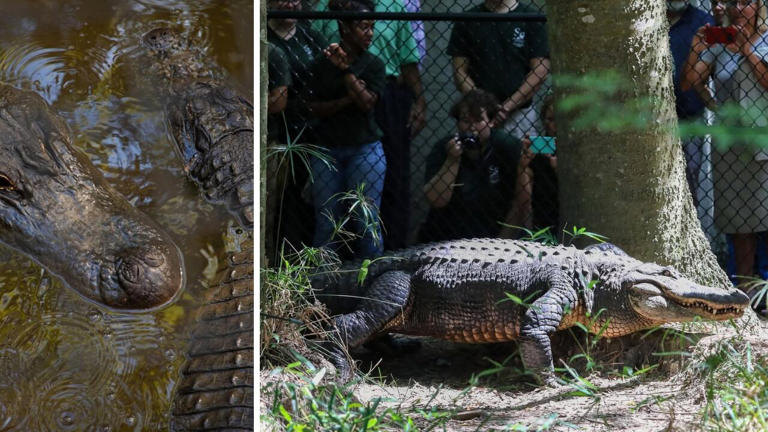
June 2026, Gainesville WCJB-TV
"The Â鶹´«Ã½Ó³» Teaching Zoo has shared on Facebook that one of its alligators has passed away.
According to zoo officials, gator Rainbow had a reproductive condition that has been closely monitored by professionals for many years. Her keepers noticed recent changes in her behavior, and alerted the University of Florida Zoological Medicine Service."

February 2026, WUFT
"Director Jonathan Miot shares information on their diverse collection that contains both native and exotic species for everyone to enjoy including Bald Eagles, White-throated Capuchin monkeys, American alligators and Matschie's Tree Kangaroo to name a few."

October 2025, Main St. Daily News
"A plan to elevate the visitor experience at the Â鶹´«Ã½Ó³» Teaching Zoo recently received a boost, thanks to a $300,000 grant from the Rotary Clubs of Gainesville Foundation."
Older Media Coverage
WUFT | February 2026
Main St. Daily | April 2026
WCJB | June 2026
WCJB | July 2026
Main St. Daily | July 2026
Gainesville Sun | July 2026
WUFT | February 2025
Alachua Chronicle | February 2025
Main St. Daily News | February 2025
Gainesville Sun | February 2025
The Independent Florida Alligator | March 2025
WUFT | March 2025
The Independent Florida Alligator | April 2025
Alachua Chronicle | April 2025
Main St. Daily News | April 2025
Alachua Chronicle | April 2025
WUFT | April 2025
Main St. Daily News | April 2025
Main St. Daily News | April 2025
Senior Life Newspaper | April 2025
Main St. Daily News | May 2025
Alachua Chronicle | May 2025
Main St. Daily News | June 2025
WCJB | July 2025
Main St. Daily News | July 2025
WUFT | July 2025
Alachua Chronicle | September 2025
The Independent Florida Alligator | October 2025
Gainesville Sun | October 2025
The Independent Florida Alligator | October 2025
The Independent Florida Alligator | October 2025
Main St. Daily News | October 2025
Main St. Daily News | November 2025
Gainesville Sun | November 2025
Alachua Chronicle | December 2025
Alachua Chronicle | March 2024
Alachua Chronicle | May 2024
Main St. Daily News | April 2024
Alachua Chronicle | April 2024
The Independent Florida Alligator | April 2024
Alachua Chronicle | June 2024
Main St. Daily News | July 2024
Alachua Chronicle | July 2024
WUFT | July 2024
Main St. Daily News | August 2024
Alachua Chronicle | August 2024
The Independent Florida Alligator | October 2024
WUFT | November 2024
Alachua Chronicle | November 2024
WUFT | March 2023
Alachua Chronicle | March 2023
WCJB | April 2023
Main St. Daily News | August 2023
Alachua Chronicle | August 2023
WCJB | September 2023
Alachua Chronicle | October 2023
WUFT | November 2023
Alachua Chronicle | November 2023
The Independent Florida Alligator | December 2023
Alachua Chronicle | November 2023
Gainesville Sun | March 2022
Alachua Chronicle | March 2022
Main St. Daily News | April 2022
The Gainesville Sun | May 2022
Alachua Chronicle | May 2022
Alachua Chronicle | June 2022
Alachua Chronicle | June 2022
Alachua Chronicle | August 2022
Main St. Daily News | September 2022
WCJB | September 2022
WUFT | October 2022
Alachua Chronicle | October 2022
Main St. Daily News | October 2022
The Independent Florida Alligator | October 2022
Gainesville Sun | November 2022
WUFT | February 2021
| March 2021
Alachua Chronicle | March 2021
WCJB | April 2021
Main St. Daily News | August 2021
Alachua Chronicle | August 2021
The Independent Florida Alligator | September 2021
Main St. Daily News | October 2021
WUFT | October 2021
Alachua Chronicle | October 2021
Alachua Chronicle | October 2021
WUFT | November 2021
Gainesville Sun | January 2020
The Independent Florida Alligator | January 2020
WUFT | February 2020
Main St. Daily News | March 2020
Alachua Chronicle | March 2020
Main St. Daily News | April 2020
WUFT | April 2020
Alachua Chronicle | May 2020
Main St. Daily News | June 2020
Main St. Daily News | July 2020
WUFT | July 2020
WCJB | September 2020
Alachua Chronicle | September 2020
The Independent Florida Alligator | September 2020
Alachua Chronicle | October 2020
Alachua Chronicle | October 2020
WUFT | March 2019
The Gainesville Sun | August 2019
The Independent Florida Alligator | August 2019
The Gainesville Sun | October 2019
The Daytona Beach News-Journal | April 2018
Gainesville Sun | April 2018
The Independent Florida Alligator | April 2018
WUFT | June 2018
Gainesville Sun | June 2018
The Gainesville Sun | June 2018
The Gainesville Sun | June 2018
The Independent Florida Alligator | June 2018
The Daytona Beach News-Journal | June 2018
The Independent Florida Alligator | July 2018
The Independent Florida Alligator | August 2018
Gainesville Sun | January 2017
WGFL | February 2017
Gainesville Sun | March 2017
Gainesville Sun | July 2017
The Independent Florida Alligator | October 2017
The Independent Florida Alligator | March 2016
The Gainesville Sun | May 2016
The Gainesville Sun | July 2016
The Daytona Beach News-Journal | July 2016
The Independent Florida Alligator | October 2016
The Gainesville Sun | December 2016
The Independent Florida Alligator | October 2015
The Gainesville Sun | December 2015
WUFT | January 2014
The Independent Florida Alligator | January 2014
WUFT | October 2014
Gainesville Sun | January 2013
The Gainesville Sun | February 2013
Gainesville Sun | April 2013
The Independent Florida Alligator | April 2013
Main St. Daily News | October 2023
WUFT | May 2012
The Gainesville Sun | September 2012
WUFT | October 2012
The Independent Florida Alligator | January 2010
The Gainesville Sun | June 2010
The Independent Florida Alligator | June 2010
The Gainesville Sun | October 2010
The Gainesville Sun | October 2010
Ocala Star Banner | November 2010
The Gainesville Sun | February 2009
The Gainesville Sun | April 2009
The Independent Florida Alligator | July 2009
The Independent Florida Alligator | October 2009
The Independent Florida Alligator | November 2009
The Gainesville Sun | March 2008
The Daytona Beach News-Journal | April 2008
Tampa Bay Times | May 2008
Tampa Bay Times | June 2008
The Independent Florida Alligator | October 2007
The Gainesville Sun | October 2007
The Gainesville Sun | October 2007
The Independent Florida Alligator | November 2007
The Gainesville Sun | November 2007
The Gainesville Sun | February 2006
The Gainesville Sun | February 2006
The Gainesville Sun | December 2005
The Gainesville Sun | January 2004
The Gainesville Sun | May 2004
The Gainesville Sun | July 2003
Press Kit
Members of the media can find approved photography, logos, and zoo background information here.
Â鶹´«Ã½Ó³» Teaching Zoo
"The Teaching Zoo" and "Santa Fe Teaching Zoo" are not correct. Please use "Â鶹´«Ã½Ó³» Teaching Zoo," "Â鶹´«Ã½Ó³»TZ," or "Â鶹´«Ã½Ó³» Teaching Zoo."
Located in Gainesville, Florida, Alachua County, the zoo is situated on 10 acres with a quarter-mile trail through the woods, on Â鶹´«Ã½Ó³»â€™s Northwest campus.
3000 NW 83rd Street, Building Z, Gainesville, Fl 32606
Click here for directions.
Open: Monday – Sunday, 9:00 AM to 3:00 PM (Last entry at 2:30 PM)
Closed: Thanksgiving, Christmas Eve, Christmas Day
Parking is free. The Zoo shares the parking lot with the Little School and acts as overflow for the Â鶹´«Ã½Ó³» main campus. Guests can park in any parking space as long as it is not outlined in blue paint or has signs posted for the Reserved Parking.
Handicap spaces are available next to the restrooms close to the entrance of the Zoo.
- We add value to the lives of our students, enrich our community, and improve the future for wildlife.
- Transparent and authentic
- Resource for the community (students, zoo/wildlife industry, local residents)
- Education and conservation focused
- Impacting zoos and communities around the world.
Nurturing all learners, advancing animal well-being, and improving the world
- Our focus expands beyond teaching to include exploring and advancements through a partnership in learning.
- We innovate and contribute to the advancement of standards for zoos all over the world.
- We nurture proactive , empathetic, well-rounded humans that contribute positively to society.
The Â鶹´«Ã½Ó³» Teaching Zoo (Â鶹´«Ã½Ó³»TZ) is a unique wildlife conservation facility where caring for animals, protecting wildlife, and educating the community all come together. The zoo supports wildlife conservation through participation in global species management programs and research, while also inspiring guests to care about wildlife and natural resources through engaging education programs. Â鶹´«Ã½Ó³»TZ also serves as a hands-on learning environment for students in Â鶹´«Ã½Ó³»â€™s Zoo Animal Technology Program.
The Zoo Animal Technology Program began in 1970, and in 1972 the zoo moved to its current home on Â鶹´«Ã½Ó³»â€™s Northwest Campus in Gainesville, Florida. Early support from city and county governments helped establish the zoo, including the construction of the original Reptile House, public restrooms, and a permanent perimeter fence.
Over the years, the Â鶹´«Ã½Ó³» Teaching Zoo has grown into a 10-acre facility that is home to nearly 60 species and over 150 individual animals. In 2000, the zoo earned accreditation from the Association of Zoos and Aquariums (AZA), a mark of excellence in animal care and conservation, and has proudly maintained that accreditation ever since. In 2011, the zoo transitioned to a self-guided experience, allowing guests to explore at their own pace. This change helped significantly increase attendance, expanding the zoo’s ability to support both on-site animal care and conservation efforts in the wild.
The Â鶹´«Ã½Ó³» Teaching Zoo is home to nearly 60 species and over 150 individual animals from around the world. Animals at the Zoo include reptiles, birds, mammals, amphibians, and invertebrates, each carefully cared for by professional staff and students in the Zoo Animal Technology Program.
Every animal at the Â鶹´«Ã½Ó³» Teaching Zoo plays an important role in education and conservation. Many are part of Association of Zoos and Aquariums (AZA) Species Survival Plans or Saving Animals From Extinction programs and other cooperative management programs that help protect wildlife now and into the future. Others serve as animal ambassadors, helping guests learn about their species, habitats, and the conservation challenges wildlife face in the wild.
As a teaching zoo, animal care and welfare are at the heart of everything we do. Our animals receive daily care, enrichment, and ongoing health monitoring, while also helping train the next generation of animal care professionals. By meeting our animals up close, guests are invited to build meaningful connections and discover how they can help protect wildlife and wild places.
Click to see individual animal information .
At the Â鶹´«Ã½Ó³» Teaching Zoo, the health and well-being of our animals are our highest priorities. Each animal receives daily care from a dedicated team of professional staff and Zoo Animal Technology students, including species-appropriate diets, enrichment activities, and ongoing health monitoring. Our animal care team works closely with veterinarians to ensure every animal receives high-quality, compassionate care throughout all stages of life.
The Â鶹´«Ã½Ó³» Teaching Zoo is proudly accredited by the Association of Zoos and Aquariums (AZA), a distinction held by only a small percentage of animal care facilities. AZA accreditation recognizes excellence in animal welfare, veterinary care, nutrition, habitat design, conservation, and education. To maintain accreditation, the zoo undergoes a rigorous review process every five years, demonstrating its continued commitment to the highest professional standards.
As a teaching institution, the zoo also plays a vital role in training future animal care professionals. Under expert supervision, students gain hands-on experience while learning industry best practices rooted in science, ethics, and conservation. Together, this commitment to exceptional animal care and AZA standards ensures that animals at the Â鶹´«Ã½Ó³» Teaching Zoo thrive while helping inspire and educate our community.
The Â鶹´«Ã½Ó³» Teaching Zoo (Â鶹´«Ã½Ó³»TZ) is a wildlife conservation facility dedicated to preserving wildlife through participation in global species management programs, research initiatives, and conservation partnerships. As an institution accredited by the Association of Zoos and Aquariums (AZA), conservation is a core responsibility of the zoo and is embedded in its daily operations, long-term planning, and educational mission.
Â鶹´«Ã½Ó³»TZ promotes appreciation for wildlife conservation and natural resource preservation through community education programs and serves as a living laboratory for students in the Â鶹´«Ã½Ó³» Zoo Animal Technology Program, providing hands-on training for future conservation professionals. The zoo actively builds partnerships locally and internationally to support wildlife and wild places, focusing its conservation efforts on two primary goals: providing financial support to conservation organizations and projects that directly impact wildlife and habitats, and actively participating in and cooperating with AZA animal programs that contribute to species survival and sustainability.
Community education is central to the mission of the Â鶹´«Ã½Ó³» Teaching Zoo and a core requirement of being accredited by the Association of Zoos and Aquariums (AZA). As the community’s zoo, Â鶹´«Ã½Ó³»TZ is committed to inspiring understanding, appreciation, and active stewardship of wildlife and wild places through high-quality conservation education for audiences of all ages.
The zoo provides engaging, immersive educational experiences both on-site and throughout the community, fostering curiosity, empathy, and meaningful connections with animals. Outreach efforts extend beyond zoo grounds through educational programs at schools, libraries, assisted living facilities, faith-based organizations, and community events, with presentations offered with or without animal ambassadors.
- 2014: AZA William G. Conway International Conservation Award. Top Honors for Tree Kangaroo Conservation Program in Papua New Guinea. (awarded in collaboration with Woodland Park Zoo, Brevard Zoo, Cleveland Metroparks Zoo, Columbus Zoo and Aquarium, Gladys Porter Zoo, Milwaukee County Zoological Gardens, Minnesota Zoological Garden, Oregon Zoo, Riverbanks Zoo & Garden, Roger Williams Park Zoo, Saint Louis Zoo, San Diego Zoo, Â鶹´«Ã½Ó³» Teaching Zoo, Sedgwick County Zoo, Smithsonian National Zoological Park, Zoo New England)
- 2018: AZA North American Conservation Award. Significant Achievement for Perdido Key Beach Mouse Species Survival Plan. (awarded in collaboration with Brevard Zoo & Palm Beach Zoo and Conservation Society)
- 2023: Alachua County Hospitality Council – Outstanding Speaker (Jonathan Miot, Director)
- 2024: Alachua County Hospitality Council – Outstanding Host (Â鶹´«Ã½Ó³» Teaching Zoo)
- 2024: Â鶹´«Ã½Ó³» Lifetime Achievement Award - Kathy Coyne-Russell (retired General Curator)
- 2025: AZA Accreditation Quarter Century Award
- 2026: Rotary Clubs of Gainesville Foundation Grant Recipient
Click for logo files and photos.
For specific image requests, contact the zoo. All photo credit can be given to “Santa Fe College Teaching Zoo�
Click here for a highlight video.
All references to the zoo on social media should tag our appropriate accounts:
Zoo office email: zoo@sfcollege.edu
Zoo office phone: (352) 395-5633
For press questions or interview requests, please contact:
Jonathan Miot
Director/Professor